Gum Disease Treatment – Powell, OH
Keeping Your Smile Safe with a Healthy Gum Line

Healthy gums are an important part of keeping your teeth in place and protecting the supporting structures around them. If you notice they’re red, swollen, tender, or bleed when you brush or floss, it could be an early sign of gum disease, which can be harmful to the rest of your smile. Getting this evaluated early can help prevent more serious damage and keep your gums and teeth healthy. Read on to learn more about gum disease treatment or give our Powell team a call to schedule an appointment.
Why Choose Wedgewood Complete Dentistry for Gum Disease Treatment?
- Comfortable Soft-Tissue Laser Technology
- Caring Staff with Extensive Experience
- Flexible Financing to Fit Your Budget
What Is Gum Disease?
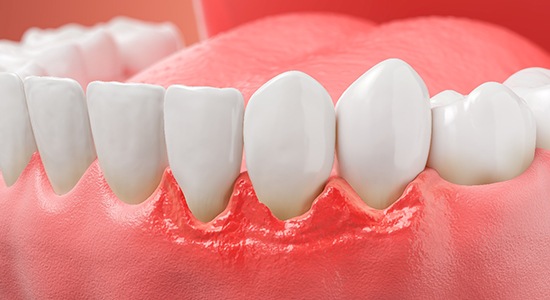
This condition develops when harmful bacteria build up along the gumline, often because of plaque and tartar that aren’t removed through regular brushing and flossing. It can begin with mild inflammation but can become more serious over time, affecting the gums, bone, and tissues that support your teeth. The two main stages include:
- Gingivitis: At this early stage, the condition can often be reversed with improved oral hygiene and professional dental cleanings.
- Periodontitis: If left unchecked, gingivitis can develop into periodontitis, which damages the tissues and bone that support your teeth. While this stage can’t be reversed, treatment can help manage the condition, slow its progression, and reduce the risk of tooth loss.
Symptoms of Gum Disease

Several factors can increase your risk of developing gum disease, including smoking, poor oral hygiene, certain medications, health conditions that affect the immune system, and genetics. To prevent this condition from becoming more serious, here are some of the common symptoms to look out for:
- Inflamed or swollen gums
- Bleeding gums when brushing or flossing
- Gum recession or tenderness
- Chronic bad breath (halitosis)
- Tooth sensitivity
- Pain or discomfort when chewing
- Changes in your bite
- Loose teeth
- Tooth loss
How Do We Treat Gum Disease?

Before undergoing treatment, Dr. Eskridge will take a close look at your gums and overall oral health to understand the extent of your gum disease. From there, he can recommend an approach based on your specific needs and explain what you can expect from treatment. Together, you can determine the option that best supports your oral health.
Scaling & Root Planing
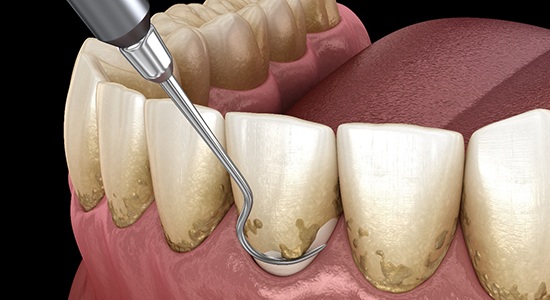
When gum disease is caught early, a professional dental cleaning might be enough to get the condition under control. More advanced gum disease may require scaling and root planing to remove plaque and tartar from below the gumline. This deep cleaning also smooths the tooth roots, making it easier for the gums to heal and helping reduce the buildup of bacteria in the future.
Laser Periodontal Treatment
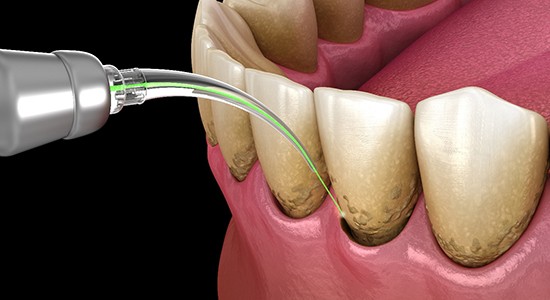
Our team can also use a soft-tissue laser to target bacteria and unhealthy gum tissue while preserving the surrounding healthy tissue. This method can help treat gum disease while minimizing bleeding and discomfort during treatment. Since the procedure is less invasive, it can also support a smoother recovery compared to traditional treatments.